
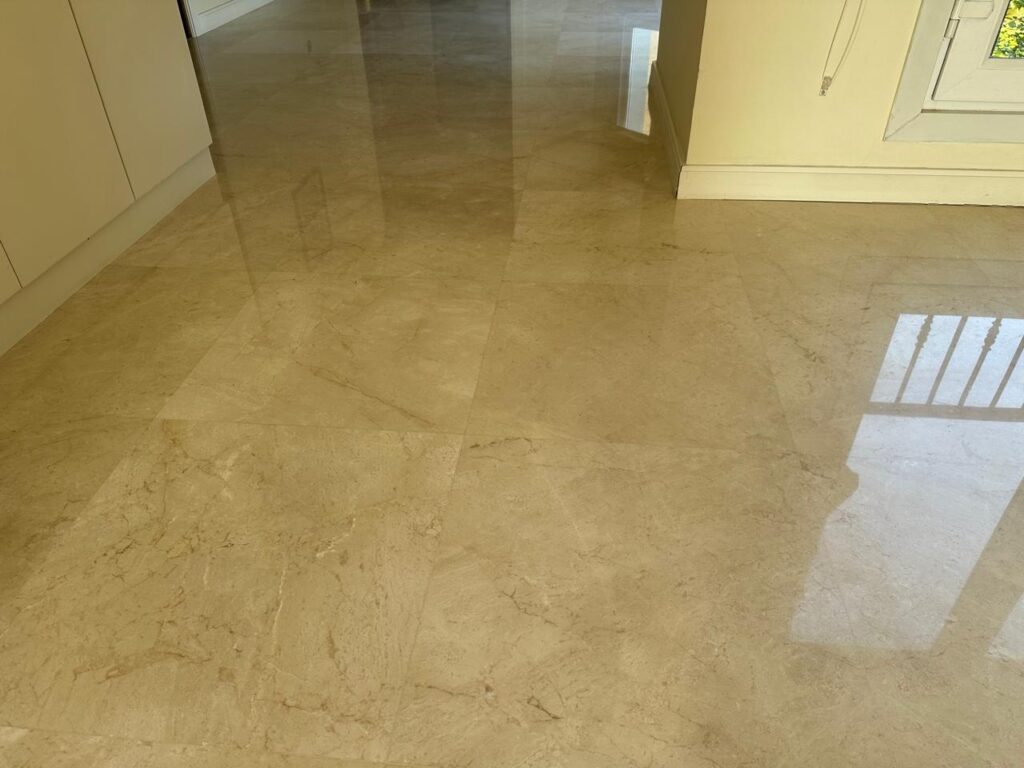
Marble floors are a symbol of luxury and elegance. They add a touch of sophistication to any home or office. However, marble floors can lose their shine over time due to foot traffic, spills, and dirt. The good news is that you can restore their beauty by polishing marble floors yourself! In this comprehensive guide, we’ll walk you through polishing marble floors. Whether you’re a homeowner or a DIY enthusiast, this guide will help you achieve professional-level results.
Why Polish Marble Floors?
Before we dive into the steps, let’s understand why marble polishing is essential. Polishing your marble floors offers several benefits:
- Restores Shine: Over time, marble can become dull. Polishing brings back its natural luster.
- Removes Scratches and Stains: Light scratches and stains can be buffed during polishing.
- Protects the Surface: Polishing helps seal the marble, making it more resistant to future damage.
- Enhances Appearance: A well-polished marble floor looks brand new and adds value to your space.
Now that you know why polishing marble floors is essential, let’s start with the step-by-step process.
Step 1: Gather Your Supplies
To polish marble floors, you’ll need the right tools and products. Here’s a list of everything you’ll need:
- Soft mop or microfiber cloth: For cleaning and polishing.
- Bucket of warm water: To mix with cleaning solutions.
- Mild pH-neutral cleaner: Avoid acidic or harsh chemicals that can damage marble.
- Marble polishing powder or cream: Specially designed for marble surfaces.
- Polishing machine or handheld buffer: Optional but helpful for larger areas.
- Clean, dry cloth: For wiping and drying the floor.
- Marble sealant: To protect the marble after polishing.
Having the right tools ensures that the marble polishing process is smooth and effective.
Step 2: Clean the Floor Thoroughly
Before you start polishing marble floors, it’s crucial to clean the surface thoroughly. Dirt and debris can scratch the marble during the polishing process. Follow these steps to clean your marble floors:
- Sweep the Floor: Use a soft broom or vacuum to remove loose dirt and dust.
- Prepare the Cleaning Solution: Mix a small amount of mild pH-neutral cleaner with warm water in a bucket.
- Mop the Floor: Use a soft mop or microfiber cloth to clean the floor gently. Avoid scrubbing too hard, as this can cause scratches.
- Rinse the Floor: After mopping, rinse the floor with clean water to remove any cleaner residue.
- Dry the Floor: Let the floor dry completely before proceeding to the next step. Using a dry cloth can speed up the process.
A clean surface ensures the marble polishing process is effective and free from scratches.
Step 3: Apply Marble Polishing Powder or Cream
Now it’s time to polish marble floors! Here’s how to do it:
- Sprinkle the Polishing Powder: If you use a marble polishing powder, sprinkle a small amount on the floor. For polishing cream, apply it evenly with a soft cloth.
- Spread the Product: Use a damp cloth or a polishing machine to spread the product in circular motions. Work in small sections to ensure even coverage.
- Polish the Surface: Keep polishing until you see the shine returning. This may take a few minutes per section. If you’re using a machine, set it to a low speed to avoid damaging the marble.
- Check for Consistency: Make sure the entire floor is polished evenly. Pay extra attention to high-traffic areas that may have lost more shine.
Step 4: Wipe Off the Residue
After polishing, you’ll notice some residue left on the floor. Here’s how to clean it:
- Use a Damp Cloth: Wipe the excess polishing powder or cream with a clean, damp cloth.
- Remove All Residue: Make sure no residue is left behind, as it can dull the shine.
- Dry the Floor: Use a soft cloth to dry the floor completely.
Step 5: Apply a Marble Sealant
To protect your newly polished marble floors, apply a sealant. This step is crucial because it:
- Prevents Stains: The sealant creates a protective barrier that prevents spills from penetrating the marble.
- Makes Cleaning Easier: Sealed floors are easier to clean and maintain.
- Extends the Life of Your Marble: Regular sealing keeps your marble floors looking new for years.
Here’s how to apply a sealant:
- Choose a High-Quality Sealant: Look for a sealant specifically designed for marble.
- Apply Evenly: Use a soft cloth or applicator to apply the sealant evenly across the floor.
- Let It Sit: Allow the sealant to sit for the recommended time (check the product instructions).
- Wipe-Off Excess: Use a clean cloth to wipe off any excess sealant.
- Let It Dry: Allow the floor to dry completely before walking.
Step 6: Maintain Your Marble Floors
Now that your marble floors are polished and sealed, it’s essential to maintain them. Here are some tips to keep your floors looking their best:
- Clean Spills Immediately: Wipe up spills as soon as they happen to prevent stains.
- Use Mats or Rugs: Place mats or rugs in high-traffic areas to reduce wear and tear.
- Avoid Harsh Cleaners: Stick to mild, pH-neutral cleaners to avoid damaging the marble.
- Sweep Regularly: Sweep or dust mop the floor regularly to remove dirt and debris.
When to Call a Professional
While DIY marble polishing can save money, sometimes it’s best to call a professional. Consider hiring experts if:
- Your marble floors have deep scratches or stains.
- You’re not comfortable using polishing equipment.
- You want a flawless, long-lasting finish.
Professional marble polishing services have the tools and expertise to handle tough jobs and deliver exceptional results.
FAQs About Polishing Marble Floors
1. Can I use vinegar to clean marble floors?
No, vinegar is acidic and can damage marble. Always use a pH-neutral cleaner.
2. How often should I polish marble floors?
It depends on foot traffic, but polishing is recommended every 6-12 months.
3. Can I polish marble floors without a machine?
Yes, you can use a soft cloth and elbow grease, but a machine makes the job easier and faster.
4. What’s the difference between polishing and sealing marble?
Polishing restores shine, while sealing protects the marble from stains and damage.
5. Is marble polishing expensive?
The cost depends on whether you do it yourself or hire a professional. DIY is more affordable, but professionals deliver superior results.
Conclusion
Polishing marble floors is a rewarding task that can transform the look of your space. With the right tools, products, and techniques, you can restore the shine and beauty of your marble floors. Whether you do it yourself or hire a professional, regular polishing and sealing will keep your floors looking stunning for years.
By following this step-by-step guide, you’ll have sparkling marble floors that everyone will admire. Happy polishing!